
Holy week is a journey from death to new life and new creation. It’s about God confronting what’s wrong in our world and what makes us afraid, all for our sake, to save the lost.
The focus is the last week of Jesus’ story, including his arrival in Jerusalem, final moments with his followers, his arrest, trial, execution, burial and the empty tomb. These aren’t just sad stories leading up to a happy ending. There are joyful, tender, dark and mysterious notes, major and minor chords all along the way. God’s love gives real people real hope.
Some of the texts, poetry, music and movements of these worship events – shared in common with Catholics, Episcopalians, and others – go back many centuries, even as we try to present things in fresh ways. It’s a joy just being able to bond with the FLC community as we “do” Holy Week each year. And all ages are involved!
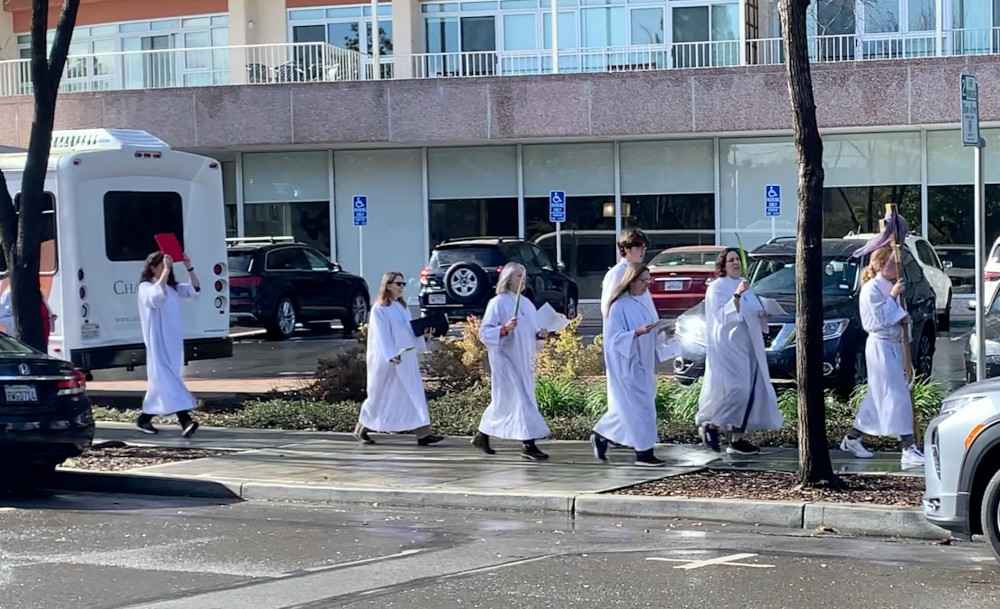
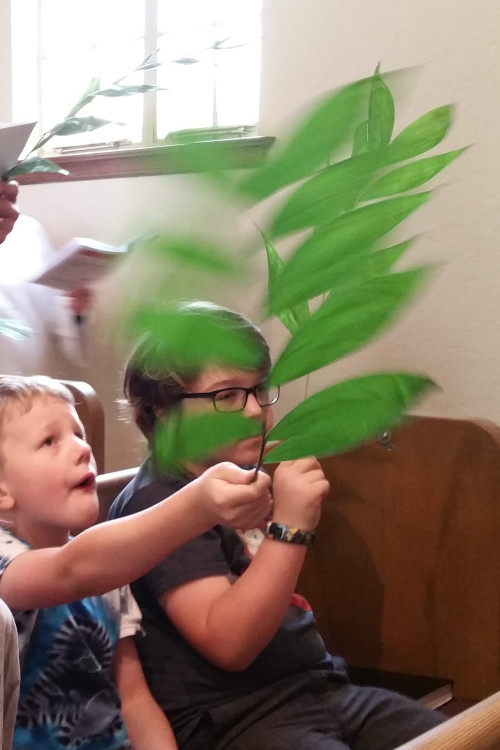
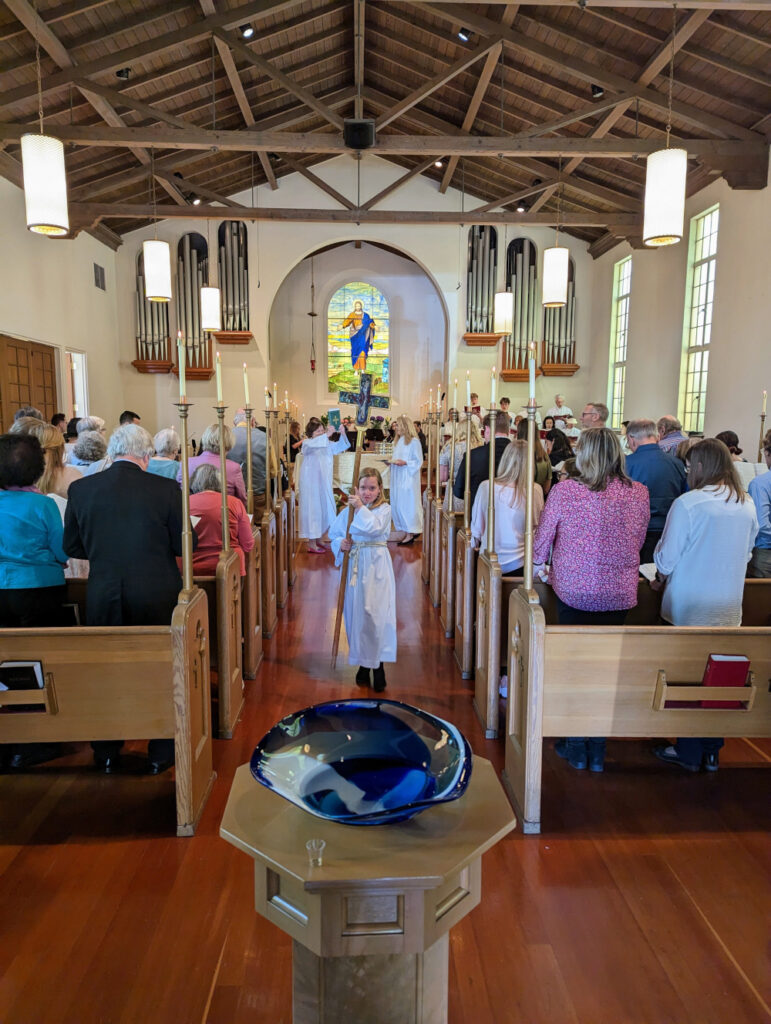
Palm and Passion Sunday begins Holy Week (Sunday, March 29, 10am). We start outside joyfully waving branches, hearing about Jesus’ entry into Jerusalem as the Prince of Peace. Then we move into the sanctuary for the Liturgy of the Passion. There we’re introduced to the story we’ll be pondering all week, from Jesus’ last supper to his death – the version found in Matthew’s gospel. We’ll have multiple readers and the congregation will join in musically, led by the choir. Holy Communion is celebrated.
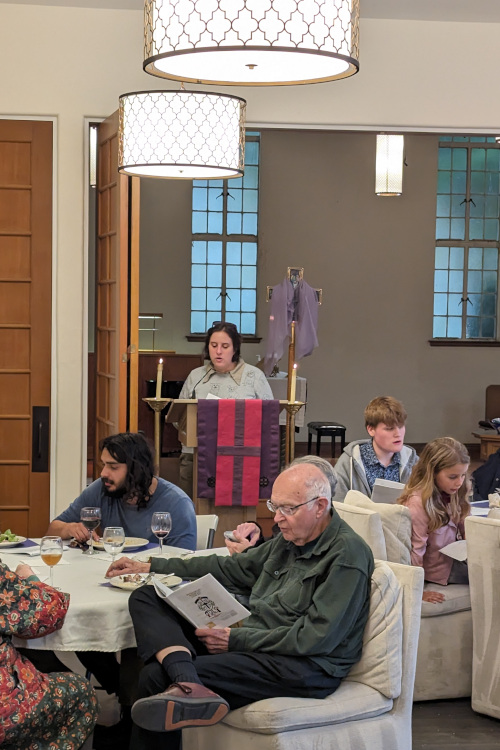
Maundy Thursday (Thursday, April 2, 6pm) is about Jesus’ Last Supper with his disciples, and the “mandate” he gives at that supper: to love each other as he loves us. The service feels warm and inviting. After special words of forgiveness, we gather in the fellowship hall to eat dinner together as part of worship. After Holy Communion, the service ends in a psalm of lament, as the sanctuary is emptied of decoration for Good Friday.
Good Friday (Friday, April 3, 7pm) is about Jesus’ crucifixion – not as his defeat, but his victory; and not as shame, but God’s glory – an emphasis of John’s gospel. The service feels contemplative. We sit for “bidding” prayers that articulate the depth of this world’s need. Then there’s a time for adoration of the cross as the instrument of our salvation. The evening concludes on a hopeful note, with a grand hymn about the cross as tree of life.
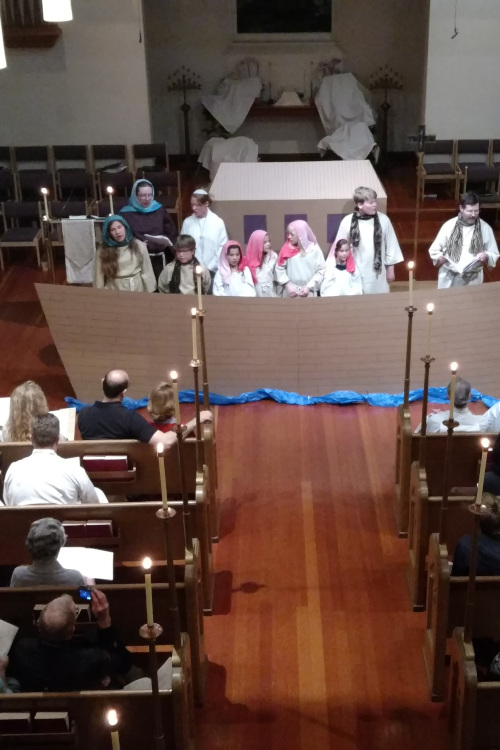
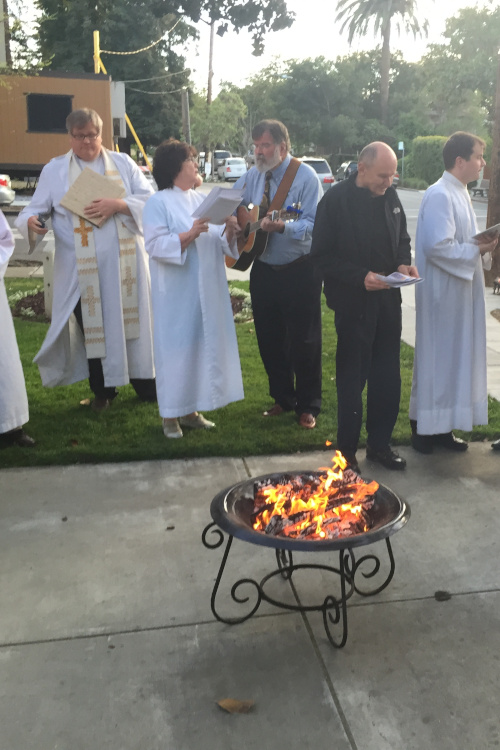
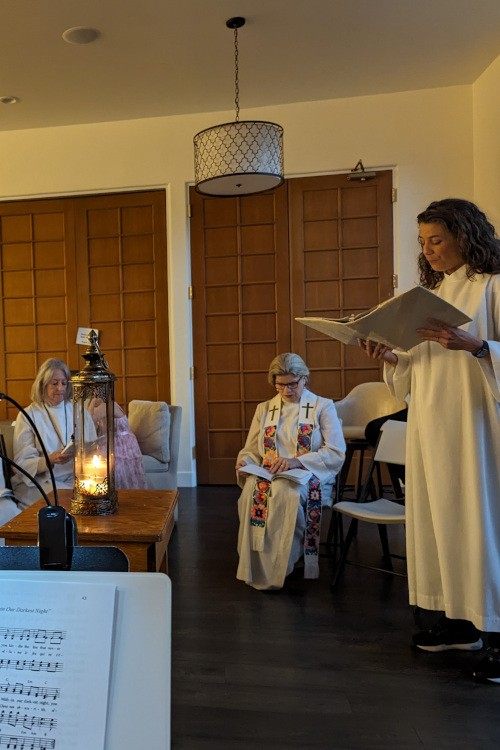
In ancient times, a day was thought to begin at sundown, not sunrise. So as we might celebrate Christmas Eve and not just on Christmas Day, we begin Easter the night before Easter – with the Easter Vigil (Saturday, April 4, 7pm). The service feels dramatic and festive. We begin outside with a fire, from which we light a big Easter (Paschal) Candle, a symbol of light shining in darkness. Processing indoors, we each light our own candles from this one, hear the sung Easter Proclamation and share biblical stories such as the Exodus – often told and sung in creative ways by kids and adults. The first joyful Alleluias of Easter are sung, the story of the empty tomb is heard, and we remember our baptism. There’s Holy Communion and a simple reception.
Easter Sunday (Sunday, April 5), there’s a big pancake breakfast (9am) and egg hunt for the kids. Worship (10am) includes festive hymns, guest musicians and the refrain: Christ is Risen! He is Risen indeed! We hear the story of Easter morning and the empty tomb, and celebrate Holy Communion.
So are these services suitable for kids? Yes – especially the procession on Palm Sunday, the dinner setting for worship on Maundy Thursday, the fire and candles and fun stories of the Easter Vigil. Good Friday is more subdued, but shorter (most services are about an hour). And it’s always fine for adults and kids to take breaks as needed – perhaps walk around outside for a bit. The presence of newcomers and familiar faces is always a wonderful gift in Holy Week. Join us!